


Investing in the stock market can feel like riding a roller-coaster, thrilling on the way up, stomach-churning on the way down. But if you buckle in for the long haul and spread your bets across different assets, history shows there’s almost no scenario in which you’ll come out behind.
Stay the course, and let time be your ally.
When I first started investing in my twenties, I remember watching the dot-com bubble burst in 2000. My portfolio tumbled nearly 40% in a year. It hurt. But I kept buying broad market index funds every month, never trying to “time” the bottom. Fast-forward two decades, and those same funds are up more than 400%—even after the 2008 crash and the COVID dip.
Buy the fear, and let compounding work its magic.
A Century of Evidence
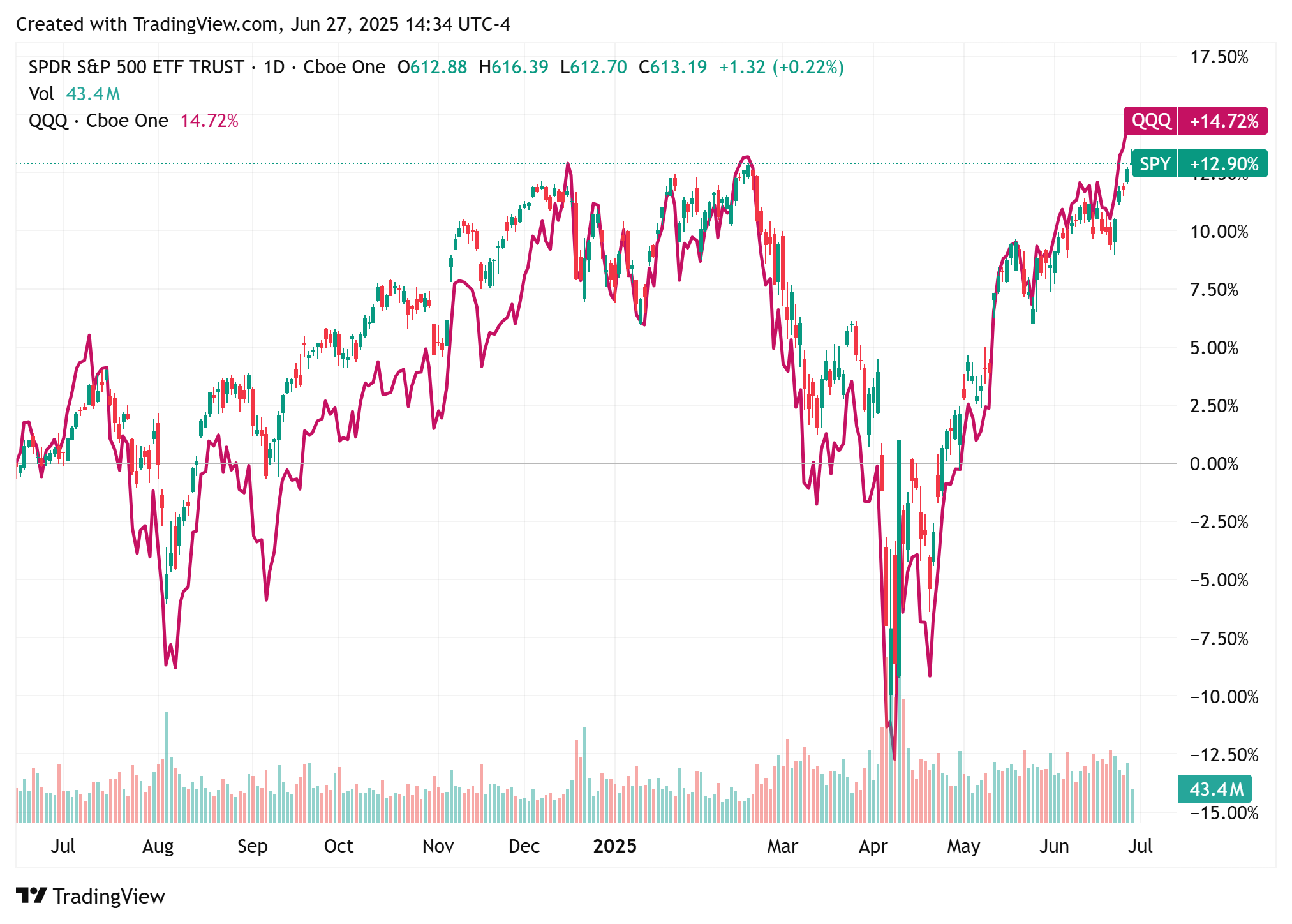
Looking back nearly a hundred years, the U.S. stock market has had only a handful of 10-year stretches with negative returns and almost all occurred when you buy at the absolute peak of a bubble. From the depths of the Great Depression (1930–1939) through World War II, the market was down in the early 1930s, but if you held on into the late ’30s, you recouped every penny and then some.
Since 1926, a well-diversified, large-cap U.S. equity portfolio has delivered an annualized return north of 10%. Even adjusting for inflation, real returns hover around 7%. Factoring in bonds and cash dampens volatility but still keeps you comfortably ahead of zero over any 20-year span.
History doesn’t repeat, but it rhymes, in your favor if you’re diversified.
Why Diversification Is Your Safety Net
Smoothing Volatility
Spreading your money across stocks, bonds, real estate, and even foreign markets means one crash won’t wipe you out. While U.S. stocks plunged over 50% in 2008, a balanced 60/40 portfolio (60% stocks, 40% bonds) fell only about 25% before rebounding.Avoiding Single-Stock Risk
Remember Kodak or Blockbuster? Even market leaders can implode. By owning thousands of companies via index funds, you eliminate the danger of betting the farm on one story that goes south.Capturing Growth Everywhere
Different regions and sectors take turns leading the charge. In the 1980s, Japan was king; tech drove the 1990s; emerging markets lit up the 2000s; and today, a mix of healthcare, AI, and clean energy is fueling returns. A global portfolio taps into all these engines.
Don’t chase yesterday’s winner, ride the wave of what’s next.
Real-Life Wins: From Buffett to You
Warren Buffett once said his favorite holding period is “forever.” He didn’t pick Coca-Cola because it was flashy, but because it was resilient, and he still owns it 40 years later. You don’t need to be a billionaire to benefit from that mindset. I’ve seen friends who started small, a few hundred euros a month, grow those savings into six-figure nests by staying invested, reinvesting dividends, and tuning out the noise.
Small automatic contributions trump big sporadic gambles.
The One Condition: Patience
If you need your money next week, the stock market isn’t the place. You’ll panic and sell at the worst time. But if you can commit for 10, 20, or 30 years, your odds of losing money become vanishingly small, especially once you diversify and avoid emotional trading.
Time in the market beats timing the market, every time.