


Markets rarely announce regime shifts. They drift into them quietly.
2025 was not a bad year. It was a confusing one. Liquidity returned unevenly, innovation narratives regained traction, and risk assets broadly held together. Yet beneath the surface, leadership narrowed, dispersion widened, and conviction became harder to sustain.
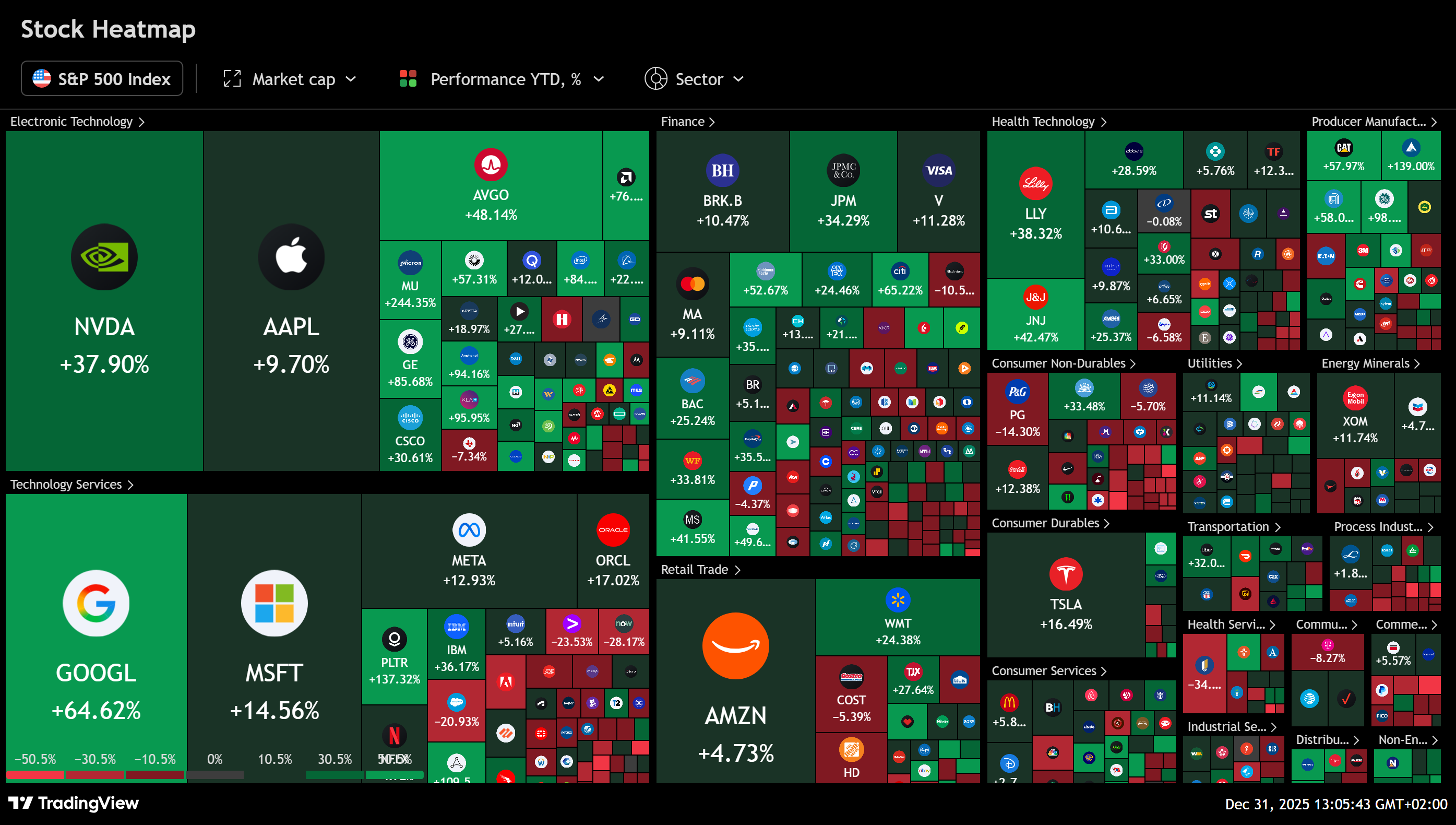
That matters, because 2026 is shaping up to be a year where strategy matters more than exposure.
Not because a crash is coming.
Not because growth is over.
But because the margin for error is shrinking.
This piece outlines how we are thinking about positioning into 2026 and, more importantly, how any serious investor should be framing the year ahead. Not as a list of predictions, but as a disciplined response to a market that is becoming more selective, more valuation-aware, and less forgiving.
The Market We’re Entering Is Not Fragile, But It Is Demanding
The dominant risk heading into 2026 is not volatility.
It is complacency around expectations.
Markets are entering the year with:
Valuations that already discount improvement in many growth areas
Inflation that is lower, but no longer falling effortlessly
Central banks closer to neutral than accommodative
Earnings growth that must be delivered, not assumed
This is an environment where optimism alone is no longer sufficient.
In past cycles, liquidity masked mistakes. In the next phase, execution will expose them.
The challenge is subtle but critical:
many assets are priced for progress, while fewer companies are positioned to actually deliver it.
That creates a different type of risk. One that does not arrive with panic or headlines, but through quiet underperformance, stalled multiples, and capital rotating elsewhere.
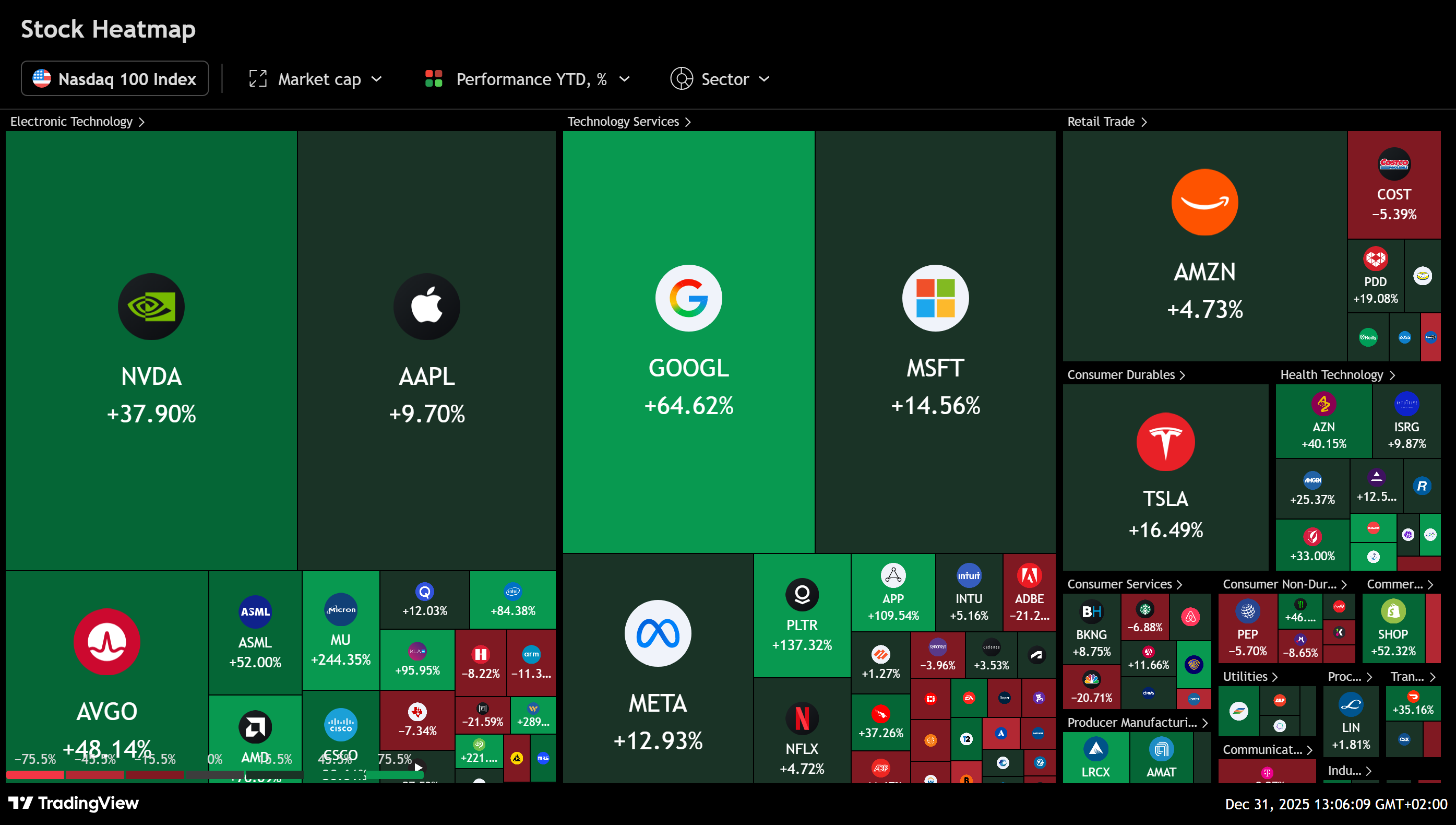
Dispersion Is the Defining Feature of 2026
One of the most important shifts investors must internalize is that markets are no longer moving as a single organism.
Dispersion across:
Sectors
Sub-sectors
Balance sheets
Business models
is widening, not narrowing.
This is why broad thematic investing feels less reliable. Owning “AI,” “tech,” or “defensives” is no longer enough. Within every theme, there are companies compounding quietly and others treading water.
2026 will reward:
Selection over exposure
Quality over velocity
Process over intuition
This is uncomfortable for investors used to riding momentum. It is liberating for those willing to slow down.
Our Strategic Lens for 2026
Rather than forecasting macro outcomes, we anchor our approach around four strategic principles.
What This Means at IWP
At Investing With Purpose, strategy is not a slogan.
It is an operating system.
Every idea we publish in 2026 will follow the same discipline:
A clear fundamental thesis
A defined technical structure
Explicit risk levels
A reason to enter, a reason to wait, and a reason to exit
We do not publish ideas to sound early or clever.
We publish ideas that can be managed over time.
That means:
Updates when structure evolves
Reductions when risk expands
Patience when confirmation is missing
Consistency matters more than frequency.
Our role is not to predict every move.
It is to help subscribers think clearly, act deliberately, and avoid the mistakes that quietly erode returns.
This is what “Investing With Purpose” means in practice.
1. Structure Before Conviction
Conviction without structure is opinion.
Structure without conviction is paralysis.
2026 requires both.
Every position we engage with must answer:
Where does the thesis clearly fail?
What confirms continuation?
What changes our mind?
This is not about predicting tops or bottoms. It is about ensuring that risk is defined before capital is deployed.
In a market where upside still exists but drawdowns can be sharp and selective, respecting structure becomes a competitive advantage.
Cash is not indecision.
Patience is not passivity.
Waiting is often the trade.
2. Innovation Still Matters, But It Must Be Earned
Innovation remains one of the most powerful long-term drivers of value creation. That has not changed.
What has changed is the market’s tolerance for innovation without economics.
In 2026, innovation must show:
Operating leverage
Cost discipline
Clear monetization pathways
Balance-sheet resilience
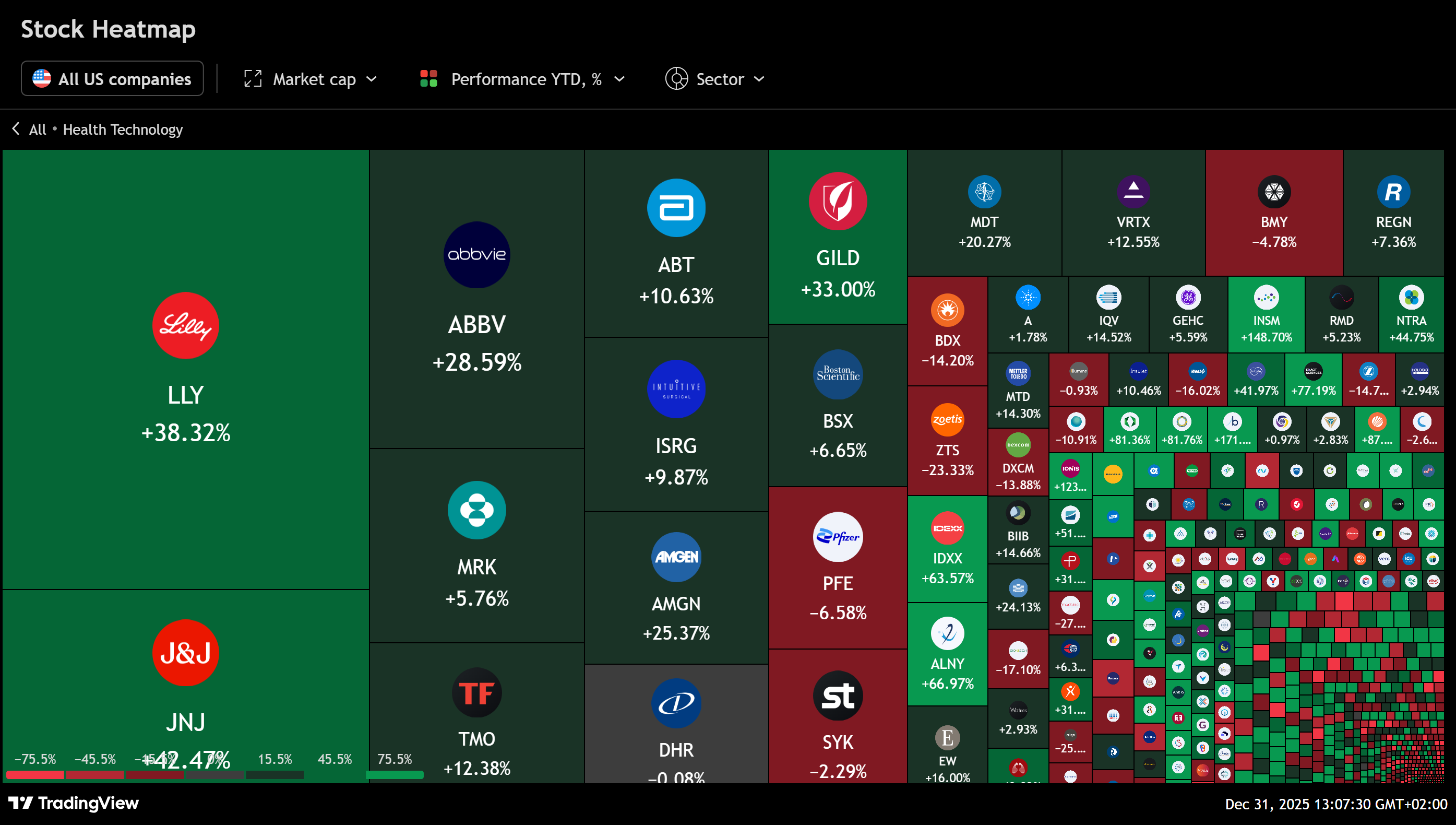
We remain constructive on areas such as:
AI infrastructure and compute enablers
Semiconductor equipment and process bottlenecks
Automation, software, and productivity tools
Select healthcare innovation with visible pipelines
But we are increasingly cautious of:
Concept-driven growth
Businesses dependent on continuous capital access
Revenue growth that masks margin erosion
The market is moving from asking “what could this become?” to “what is this becoming now?”
That distinction matters.
3. Value Is Quietly Re-Entering the Conversation
Value is not a style rotation.
It is a discipline of pricing durability correctly.
Some of the most interesting opportunities emerging are not in the cheapest assets, but in:
Companies exiting temporary earnings troughs
Businesses with strong cash generation but weak narratives
Capital-intensive firms where balance-sheet strength is underappreciated
Select consumer and industrial names with real pricing power
In 2026, value works best when paired with:
Operational inflection points
Improving return profiles
Rational capital allocation
Cheap without improvement is not value.
Improvement without patience is not investable.
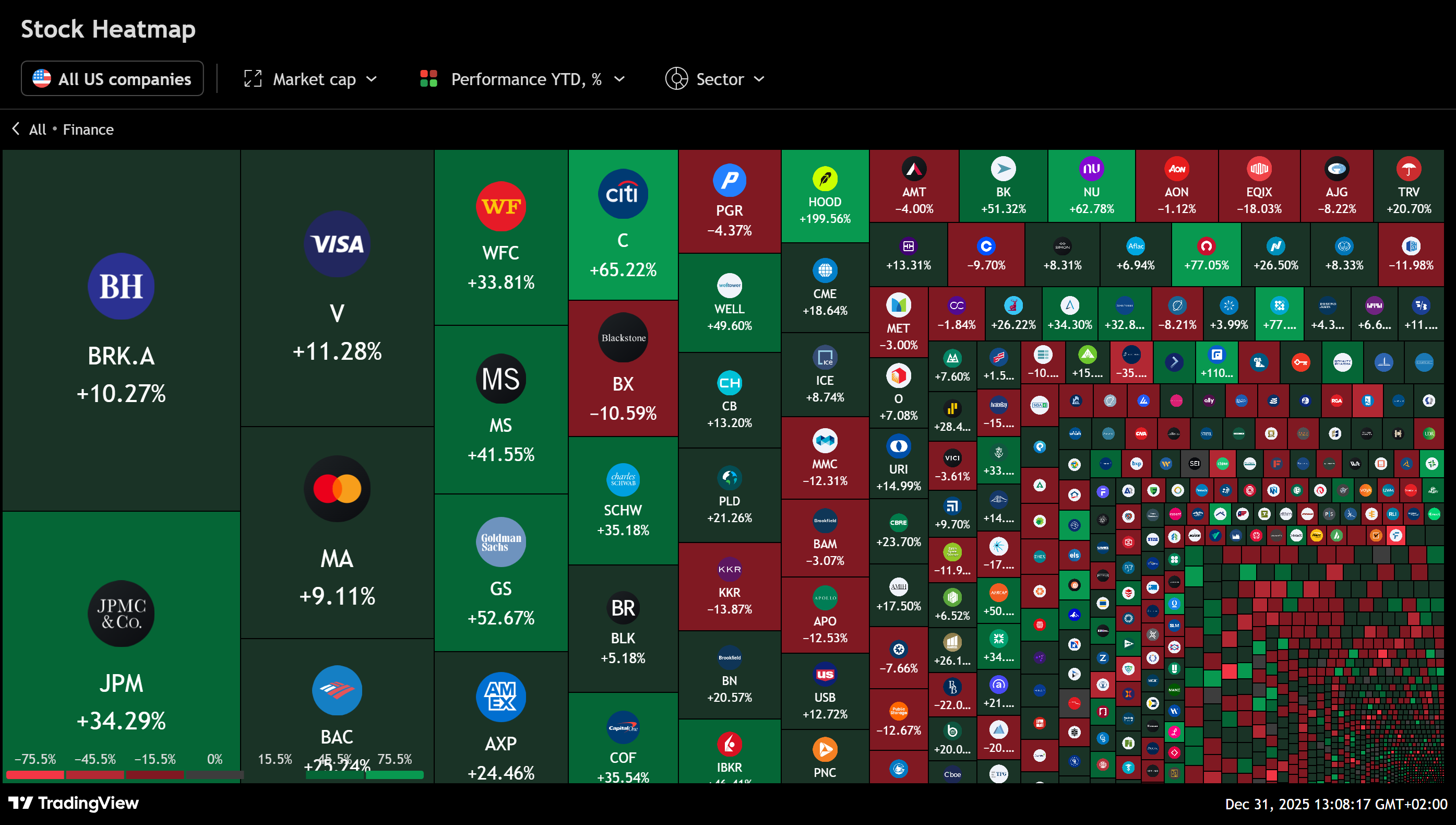
4. Think in Sectors, Execute in Subsectors
The next phase of markets will not reward broad sector bets.
It will reward granular understanding.
Within every sector:
Some business models are structurally advantaged
Others are exposed to subtle headwinds
Many will look similar on the surface but behave very differently
Our focus increasingly shifts toward:
Infrastructure over applications
Enablers over end demand
Services over hardware where margins are defensible
Second-order beneficiaries rather than headline winners
This is slower work.
It is also more repeatable and less fragile.
Portfolio Construction: Fewer Ideas, Better Defined
All of this translates into a clear portfolio philosophy for 2026:
Fewer positions, each with a clear role
Distinction between long-term holdings and tactical opportunities
Dynamic sizing rather than static conviction
Willingness to step aside when structure breaks
Exposure is earned, not assumed.
Conviction is conditional, not permanent.
This is how portfolios survive periods where returns are uneven rather than abundant.
The Bottom Line
2026 will not be defined by one big call.
It will be defined by:
How investors manage risk
How they respond to disappointment
How willing they are to adapt without abandoning process
This is a market that rewards discipline, humility, and preparation.
Strategy matters again.
Process matters again.
And patience is once more a source of edge.
That is the lens guiding our work into 2026 and the framework behind every idea we publish going forward.
IWP
See the latest from IWP:
Why Money Problems Rarely Start With Money

Most people assume financial trouble begins with a mistake. Overspending, poor judgment, a bad investment, or a lack of discipline are usually the first explanations offered. In reality, most money problems don’t begin with bad decisions at all. They begin with financial systems that function smoothly only under ideal conditions. When income, expenses, …