


Almost everyone has heard a version of the same story.
Someone was “doing fine,” took on leverage, traded options, or used margin, and suddenly their account went to zero. Sometimes it happened fast. Sometimes it happened slowly, then all at once.
This is usually framed as recklessness or gambling. That explanation is comforting, but incomplete.
Most investors who lose everything do not understand the math, structure, or incentives behind the tools they are using. They think they are amplifying returns. In reality, they are amplifying fragility.
This piece is not about fear. It is about mechanics. Once you understand how losses compound in leveraged systems, most of these stories stop being mysterious.

Key Takeaways
Leverage does not increase skill. It increases sensitivity to error.
Options losses are often driven by time decay and volatility, not direction.
Margin turns normal drawdowns into forced liquidations.
You do not need extreme market moves to lose everything.
Survival, not returns, is the first job of capital.
Capital Flow, Incentives, and Why These Products Exist
Leverage, options, and margin exist because there is demand for them. But that demand is not always investor-driven.
Brokerages earn more when accounts trade more. Options generate higher fees than equities. Margin generates interest income. Leverage increases turnover.
From a market perspective:
Options allow institutions to hedge, transfer risk, and express probability views.
Leverage allows capital-efficient exposure.
Margin allows portfolios to remain fully invested.
From a retail perspective:
These tools are often marketed as flexibility or efficiency.
The risks are abstract until they are realized.
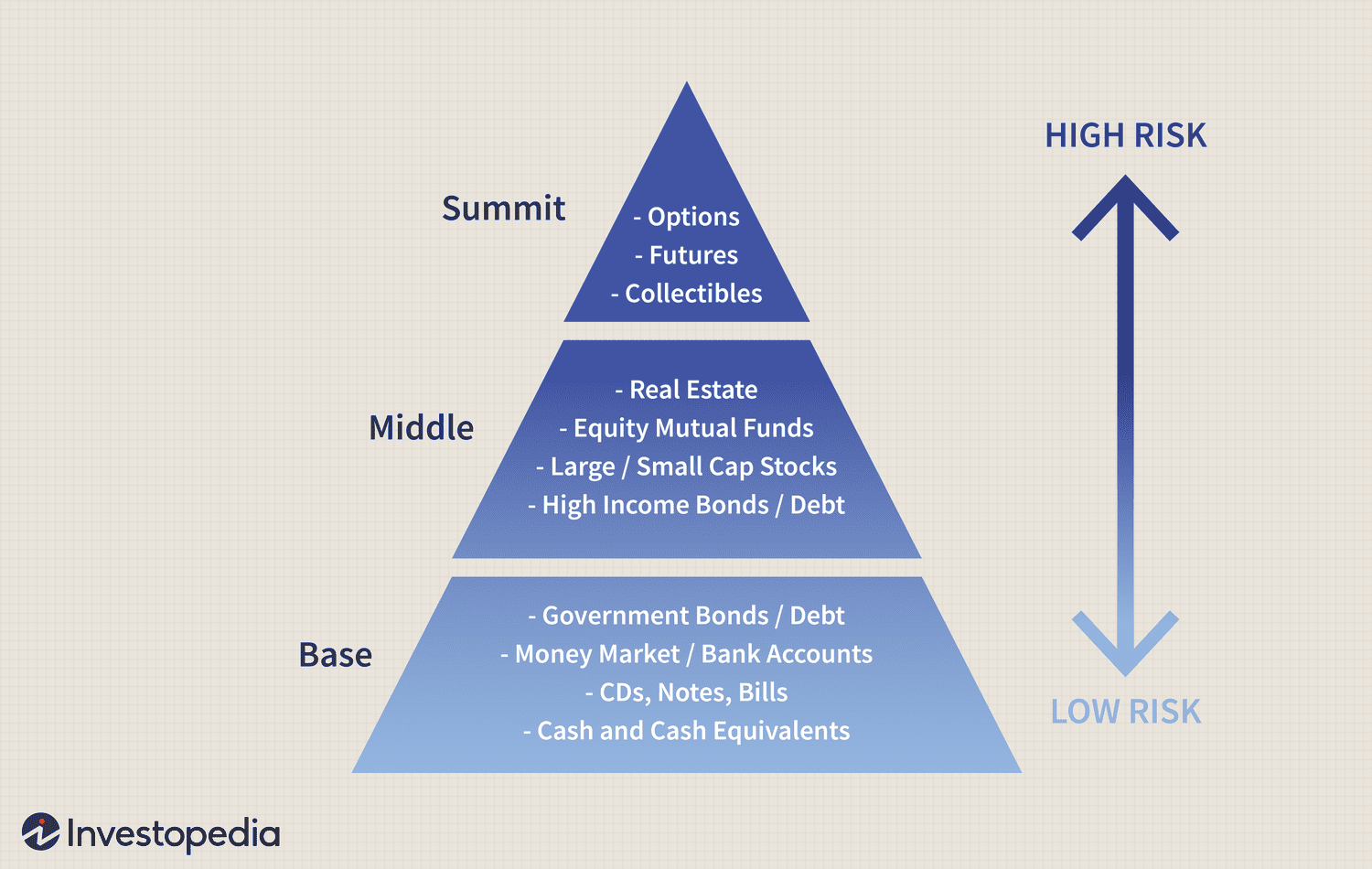
The key point is this: these instruments were not designed to protect undercapitalized investors from volatility. They were designed to move risk around the system.
Understanding that intent matters.
The Math That Breaks Accounts
This is where most people get hurt.
Leverage is simple in concept. A 2x leveraged position means a 10% move becomes 20%. But losses do not scale linearly in real portfolios.
Consider a $10,000 account.
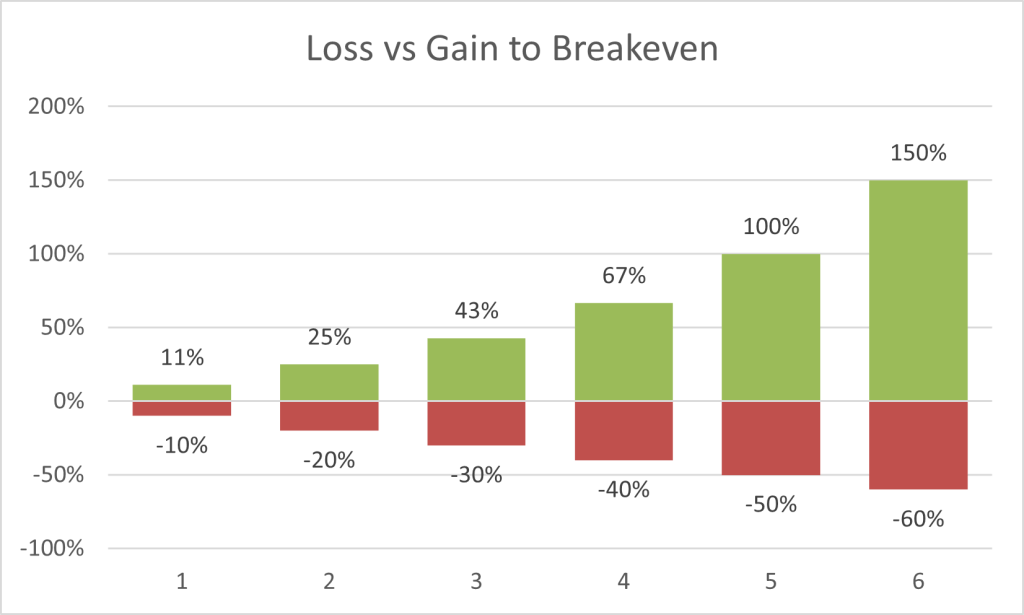
A 10% loss requires an 11.1% gain to recover.
A 25% loss requires a 33.3% gain.
A 50% loss requires a 100% gain.
A 75% loss requires a 300% gain.
Now layer in leverage.
A 2x leveraged position experiencing a 25% underlying drawdown results in a 50% portfolio loss. At that point, recovery math becomes punitive.
Options add another layer.
A typical at-the-money option might lose 1% to 3% of its value per day from time decay alone. That decay accelerates as expiration approaches. Direction can be correct and the trade can still lose money.
Margin compounds the issue.
If maintenance margin is breached, positions are liquidated at the worst possible time. Not because you were wrong long-term, but because the account could not withstand short-term volatility.
The common thread is asymmetry. Losses compound faster than gains.
Most total losses are not caused by being wrong. They are caused by not surviving being early or slightly wrong.
Structural and Behavioral Mechanics
Markets move in regimes.
Low volatility environments lull investors into increasing size. High volatility environments punish that size quickly.
Key mechanics that matter:
Volatility expansion increases option premiums and drawdowns simultaneously.
Correlation rises in stress, removing diversification benefits.
Forced sellers create price cascades unrelated to fundamentals.
Leverage shortens your time horizon whether you want it to or not.
A long-term thesis cannot play out if the capital structure demands short-term precision. This is the mismatch that breaks most accounts.
Leverage converts normal market noise into existential risk.
Capital Management Framework
This is not a trade plan. It is a survival plan.
A durable investor operates with rules that prevent single-point failure.
Position size should be set so a full stop-out does not exceed 1% to 2% of total capital.
Leverage should decline as volatility rises, not increase.
Options exposure should be sized assuming a 100% loss, not a partial one.
Margin should be treated as a liquidity tool, not a return tool.
If a position requires leverage to be attractive, the setup is likely flawed.
Rolling risk management means reducing exposure as positions work, not increasing it.
The goal is staying in the game.
Bottom Line
Most investors do not lose money because markets are unfair. They lose money because their capital structure cannot absorb uncertainty.
Leverage, options, and margin are not inherently bad. But they are unforgiving. They demand precision, discipline, and an understanding of probability that most investors have not developed.
For medium- to long-term investors, the conclusion is simple.
If a strategy threatens survival, it is not a strategy. It is a liability.
Capital that survives compounds. Capital that doesn’t gets a lesson instead.
This is the part most investors miss.
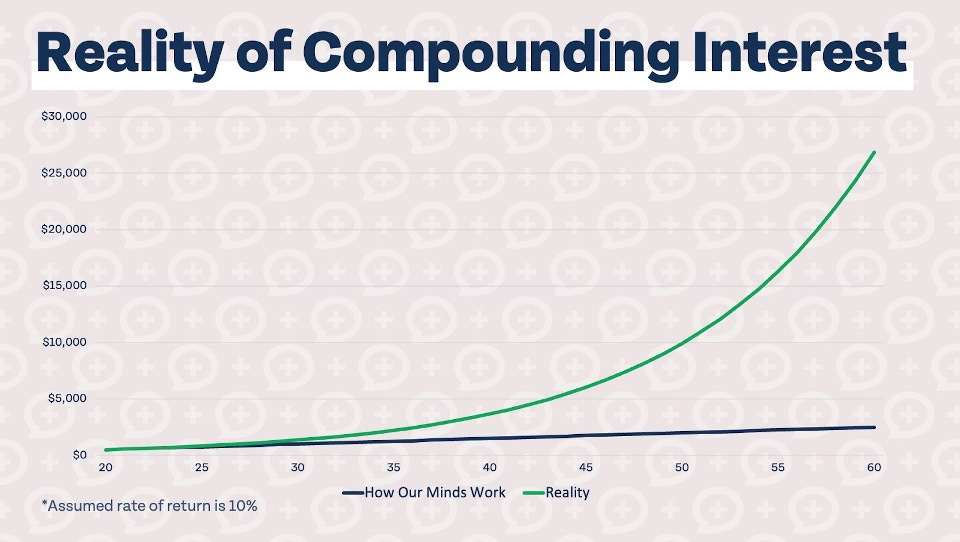
You do not need options, leverage, or margin to build meaningful wealth. You need time, consistency, and the ability to stay invested through normal volatility. Compounding does the heavy lifting on its own.
Leverage is often used to accelerate results that patience would have delivered anyway. The difference is that compounding works quietly in your favor, while leverage demands precision and punishes mistakes.
If you do not fully understand the risks of options, margin, and leverage, the rational choice is not to “use less of them.” It is to not use them at all.