


I once spoke with an investor who’d convinced himself he was a market genius after a single big win. Flush with confidence, he funneled his entire portfolio into a biotech startup that promised to revolutionize medicine. When the drug trial failed, his shares were locked up, and he was suddenly scrambling to cover rent and bills. That one bad outcome erased years of steady gains and left him questioning everything.
Stories like his and many others I’ve encountered, underscore a simple truth: nobody’s immune to costly mistakes. Yet you don’t have to learn every lesson the hard way. By observing the missteps of others and applying three guiding principles: liquidity, diversification, and time, you can navigate markets with far greater resilience. In this 15‑minute read, I’ll share real‑life tales and practical strategies that keep portfolios afloat when the waters get choppy.
Liquidity: Your Financial Life Jacket
Imagine sailing in open seas without a life jacket. No matter how grand your vessel, one rogue wave spells disaster. In finance, liquidity is that life jacket; the ability to convert assets into cash quickly and without distress.
The Peril of Locked‑Up Wealth
Before even meeting an advisor, I’ve spoken with people who poured their life savings into a single private deal, tech startups, niche funds, or exotic real estate ventures. They were drawn by the allure of outsized returns and convinced the upside justified the risk. Then reality intervened: trading windows closed, redemption gates slammed shut, and they found themselves asset‑rich on paper but cash‑poor in practice.
Example 1 – Sam’s EV Play: Sam invested €80,000 in an electric‑vehicle parts company just as supply‑chain issues hit the sector. He discovered his shares were under a six‑month lockup. When bills piled up, he had to liquidate more accessible holdings at deep discounts, converting what could’ve been a temporary setback into a permanent loss.
Building Your “Black‑Day” Fund
Contrast Sam’s fate with another acquaintance, Nina, who maintains a “black‑day” fund covering three months of non‑negotiable expenses like rent, utilities, groceries, insurance, in a high‑yield savings account. When her consulting contract paused for three months, she drew on her cushion rather than selling investments at a low. By the time she reentered the market, assets had rebounded, and she stayed comfortably on track.
To set up your own black‑day fund, calculate essentials, multiply by three, and park that cash in vehicles offering both yield and near‑instant access (high‑yield savings accounts, money‑market funds, or short‑duration bond ETFs). Beyond that threshold, feel free to chase higher returns, but cap truly illiquid bets at 10% of your total portfolio so a single emergency doesn’t force a fire‑sale.
Diversification: Don’t Marry One Asset
If liquidity is your life jacket, diversification is your navigational chart. It ensures that no single storm or failed investment sinks the ship.
The Single‑Name Trap
I’ve met retirees who swear they “always lose” in the stock market, only to discover they’d placed 100% of their nest egg in one company at its peak. When that company faltered, their entire wealth evaporated. Similarly, I spoke with an investor, Luis, who lost a hefty sum in commodity futures, he bet big on oil prices with leverage, and when the market swung against him, he was margin‑called and wiped out.
These tales aren’t anomalies; they’re textbook examples of concentration risk. No matter how confident you feel, a concentrated bet; whether equities, bonds, or futures can obliterate your progress in an instant.
The Statistical Case for Broad Equity Exposure
Contrast those anecdotes with the performance of a diversified stock portfolio over time. The S&P 500’s historical data tells a reassuring story:
5‑Year Holding Periods: Positive returns ~92% of the time since the 1920s.
10‑Year Holding Periods: Nearly 100% positive across the same span.
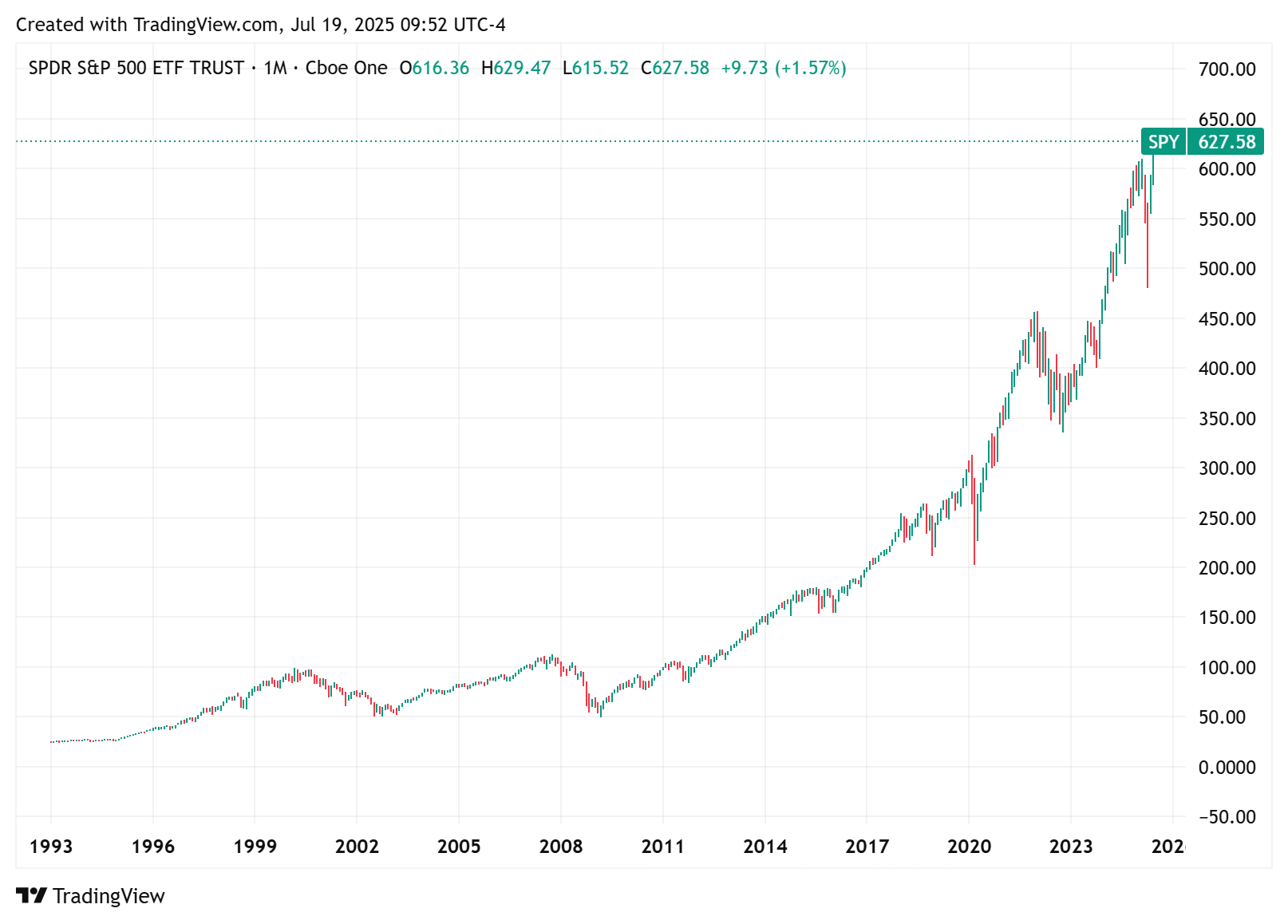
In plain terms, if you invest in a broad market index or a balanced basket of low‑cost ETFs and hold for at least five years, you join the statistical majority that ends up in the green. That doesn’t eliminate risk, it just tilts the odds heavily in your favor compared to single‑stock or sector bets.
Core‑Satellite Portfolios
A practical way to capture diversification without complexity is the core‑satellite model. Your core (70–80% of assets) goes into broad, no‑frills index funds, total‑market equities, aggregate bonds, while your satellites (20–30%) pursue higher‑conviction themes: sector ETFs, REITs, or small allocations to alternative strategies. This structure ensures that if a satellite idea flops, your core remains robust.
Bonds: Shock Absorbers with Subtleties
Bonds often play the role of shock absorber in a portfolio: lower volatility, predictable income. But they come with their own nuances.
The Apple Bond Lesson
In 2020, an investor friend bought $100,000 of Apple’s 35‑year bonds at par, lured by the AAA rating and the company’s sterling reputation. Fast‑forward to mid‑2022: as interest rates surged, those bonds traded near $60 on the dollar. My friend was floored, “AAA should be safe,” she protested. But the culprit was duration: long‑dated bonds suffer steeper price declines when rates rise.
Crafting a Resilient Bond Allocation
To harness bonds’ stabilizing effects without undue risk:
Blend Durations: Mix short‑term (1–3 years) with intermediate (5–10 years) maturities.
Ladder Maturities: Stagger bond expirations so you regularly reinvest at prevailing yields, smoothing reinvestment risk.
Diversify Credit: Hold government issues alongside high‑grade corporates and, for those comfortable, a touch of high‑yield.
Include TIPS: Treasury Inflation‑Protected Securities adjust with inflation, preserving purchasing power.
Dollar‑Cost Averaging: Turning Fear into Advantage
If precise market timing is a fool’s errand, dollar‑cost averaging (DCA) is its foil. By investing a fixed amount at set intervals, monthly, quarterly, you buy more shares when prices are low and fewer when they’re high.
Real‑World Impact: During the March 2020 crash, the S&P 500 plunged nearly 30%. Investors who paused contributions missed the 56% rebound over the next year. Those who stuck with DCA not only avoided panic selling but ended up with a lower average cost, riding out the volatility with less stress.
Automate your investing through payroll deductions or scheduled brokerage orders. Over time, this discipline compounds into substantial wealth, and lets emotion take a backseat.
Stay Calm and Buy the Dip
When markets tumble, it’s natural to feel a knot in your stomach, but selling into panic is the fastest route to permanent losses. Instead of reacting to every headline or chart drop, take a deep breath and remind yourself that volatility is the price of admission to higher long‑term returns. Each pullback hands you the chance to acquire quality assets at lower prices, effectively lowering your cost basis through dollar‑cost averaging. By committing a fixed amount of capital at regular intervals, especially when prices are depressed, you transform fear into opportunity. History shows that bear‑market lows often precede some of the most powerful rallies, so resist the urge to flee. Instead, lean in: add to your positions, secure that higher number of shares, and watch as time works its compounding magic when the next upswing arrives.
Time: The Ultimate Ally
Liquidity and diversification lay the foundation; time does the heavy lifting through the power of compounding.
5‑Year Spans: The S&P 500 has been positive in roughly 92% of rolling five‑year windows.
10‑Year Spans: Virtually always positive.
20‑Year Spans: Nearly infallible, comfortably outpacing inflation and preserving real purchasing power.
Short‑term markets will zig and zag. But by staying invested through downturns, you let recoveries and long‑term trends work in your favor. Patience isn’t just a virtue; it’s a statistically proven strategy.
Adapting Your Mix Over Life’s Chapters
Your ideal asset allocation isn’t static, it shifts with your age, goals, and risk tolerance:
20s–30s: Growth mode. 80–90% equities, 10–20% bonds, up to 10% illiquid.
40s–50s: Balance phase. 60–70% equities, 30–40% bonds, 5–10% alternatives, ensure sufficient liquidity.
60s+: Preservation & income. 40–50% equities, 50–60% bonds, focus on cash flow and capital protection.
Review your targets annually or when allocations drift by more than 5%. Rebalancing enforces a disciplined “sell high, buy low” routine, keeping your risk profile aligned with your objectives.
Learning Without Losing
The biotech investor who locked up his life savings, the electric‑vehicle speculator forced into fire‑sales, the futures trader wiped out by leverage, these aren’t just cautionary tales; they’re free lessons you can benefit from today. Anchor your strategy in three timeless principles:
Maintain Sufficient Liquidity: A three‑month “black‑day” fund and a hard 10% cap on truly illiquid investments.
Diversify Broadly: Avoid concentration risk; favor low‑cost, market‑wide exposures that have historically delivered positive long‑term returns.
Leverage Time & DCA: Stay invested, invest consistently, and give compounding the runway it needs.
By heeding the pitfalls others have paid for, you build a portfolio designed to withstand shocks, capitalize on recoveries, and deliver peace of mind, no matter how turbulent the markets become. You get to enjoy the benefits of their mistakes, rather than suffer the costs.
What financial missteps have reshaped your approach? Hit reply and share. Your story could be the free tuition someone else desperately needs.
The experiences and lessons shared here are for educational purposes only and do not constitute financial advice or a recommendation to buy or sell any securities or other investments.