


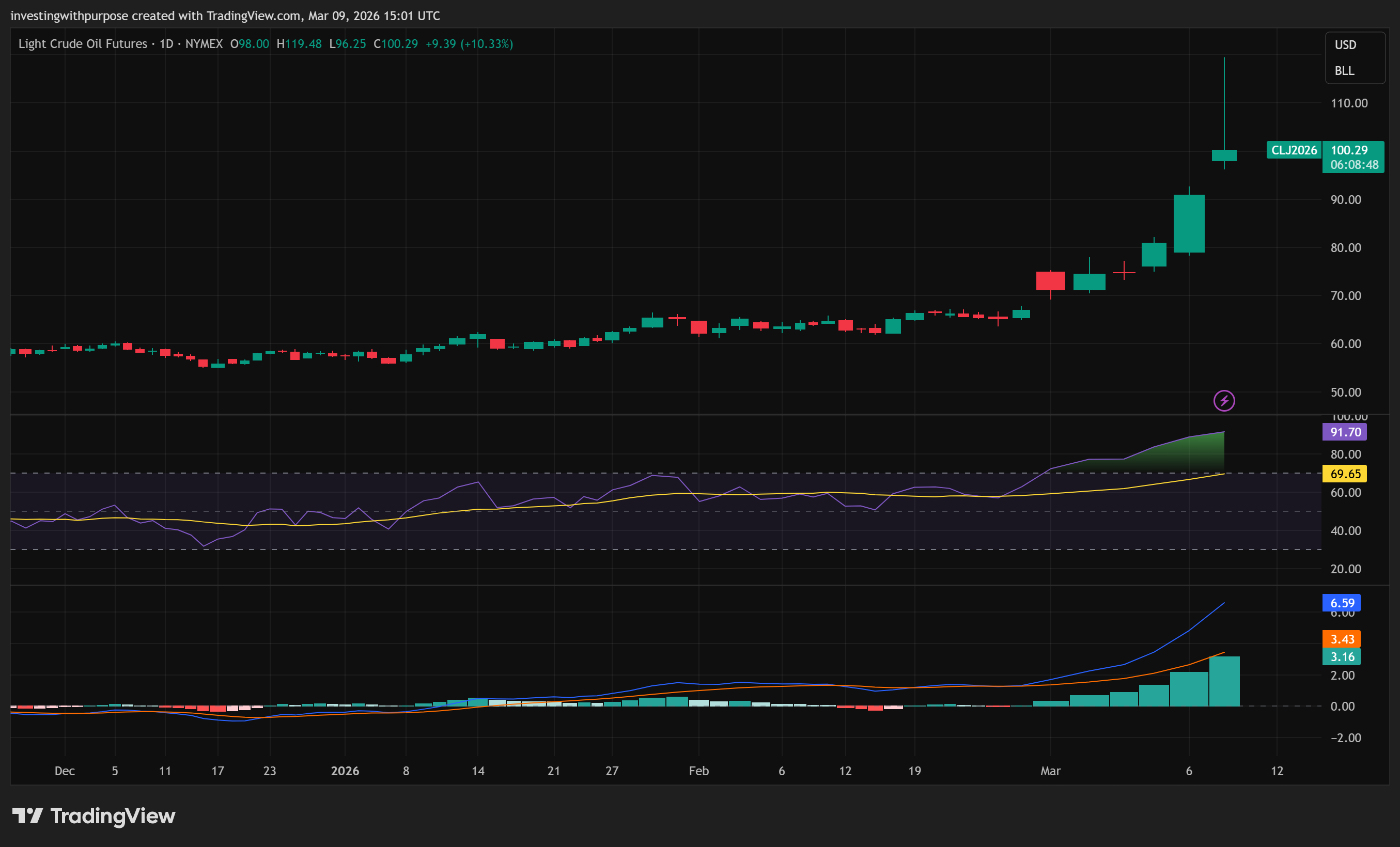
The global oil market has entered one of its most volatile periods in years as the escalating conflict between the United States, Israel and Iran disrupts energy production, shipping routes and political decision-making across the world. Oil prices surged to above $100 per barrel, the highest level since 2022, as markets began pricing the risk that a significant portion of global supply could be interrupted.
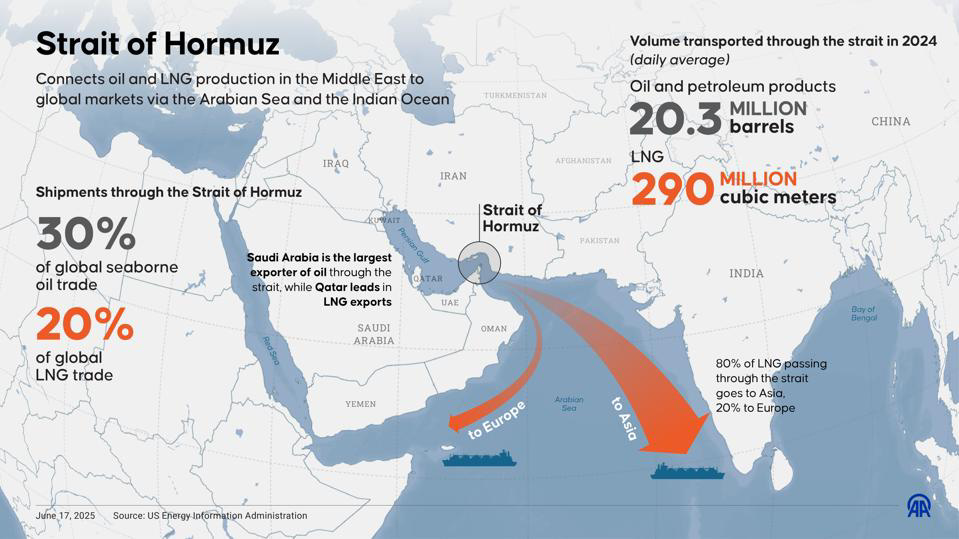
At the center of the crisis is the Strait of Hormuz, the narrow maritime corridor through which roughly 20% of global oil supply flows every day. Following military escalation and Iranian threats to shipping, tanker traffic through the strait has slowed dramatically and in some cases halted altogether, triggering immediate fears of a supply shock.
War and the Oil Supply Chain
The conflict has already begun affecting production and logistics across the Persian Gulf. Kuwait has declared force majeure and cut output as shipments through the strait became impossible, while Iraq has reportedly slashed production dramatically due to storage bottlenecks.
Across the region, producers are struggling to export crude as tankers avoid the Gulf and infrastructure comes under threat. Some facilities in Bahrain and Iran have been attacked, while Qatar’s energy exports have also faced disruptions.
The result is a sudden tightening of the global oil market. Even if actual production losses remain temporary, the risk premium attached to geopolitical instability has driven prices sharply higher.
Trump’s Position on Oil Prices
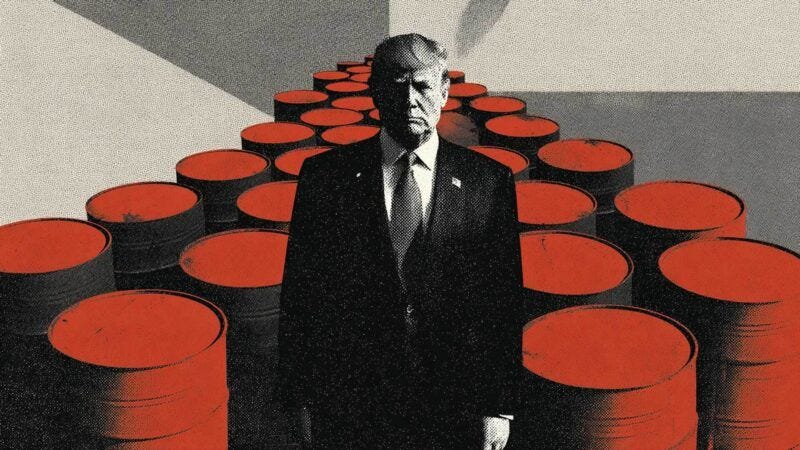
President Donald Trump has signaled that the United States is willing to tolerate short-term oil price spikes if they are part of a broader geopolitical strategy against Iran. He argued that temporarily higher oil prices are “a very small price to pay” for global security and eliminating the Iranian nuclear threat.
The administration has also so far resisted immediate releases from the U.S. Strategic Petroleum Reserve, despite rising gasoline prices and political pressure from lawmakers concerned about inflation.
This position suggests the White House currently prioritizes military objectives and strategic leverage over short-term price stabilization.
The G7 Divide on Strategic Oil Reserves
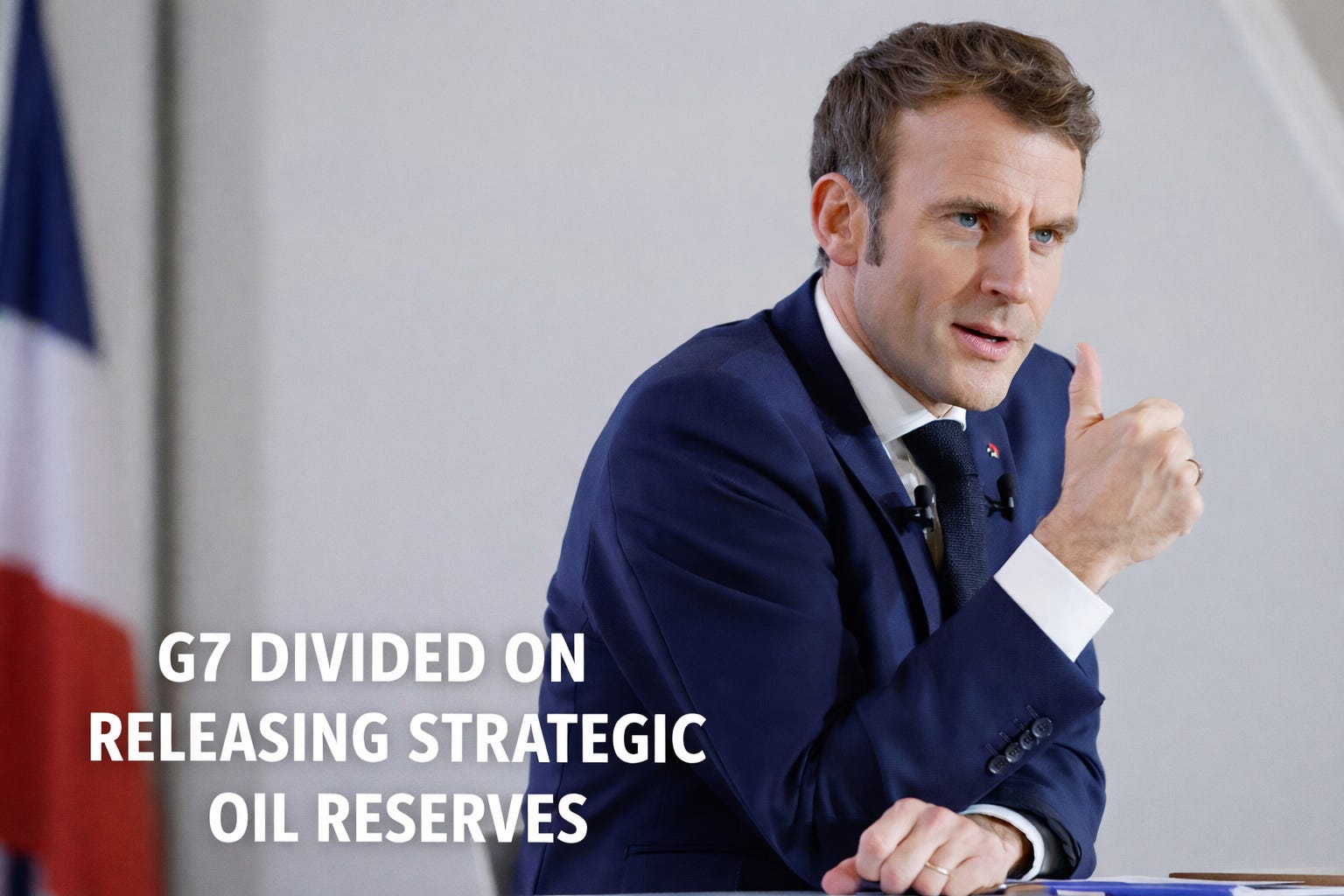
The G7 nations are now debating whether to release emergency oil reserves to calm markets. Some governments, including the United States and several allies, support releasing 300-400 million barrels from global strategic reserves, potentially the largest coordinated release ever.
However, there is not yet full consensus. French officials have confirmed that no agreement has been reached among G7 members, highlighting divisions over how aggressively governments should intervene in energy markets.
France has indicated that tapping reserves is an option but has not committed to doing so, reflecting concerns that reserves should be used only in extreme supply crises.
Inflation and Economic Ripple Effects
The surge in oil prices is already feeding through to the global economy. Analysts warn that sustained oil prices above $100 could add more than one percentage point to global inflation while slowing economic growth.
Higher energy prices increase the cost of transportation, manufacturing, aviation and agriculture. Supply chains, already fragile after years of disruptions, could face additional pressure as shipping costs rise and fuel costs filter through the logistics network.
For import-dependent economies in Asia and Europe, the shock could be particularly severe. Many countries rely heavily on Gulf oil, making them vulnerable to disruptions in Hormuz.

Where This Could Go Next
The trajectory of oil prices now depends on three major variables:
1. The Strait of Hormuz: If shipping resumes, oil prices could quickly fall as the geopolitical risk premium fades.
2. Government intervention: Strategic reserve releases or coordinated action by the G7 could temporarily increase supply and calm markets.
3. War escalation: If the conflict widens or energy infrastructure is targeted, prices could spike further.
Some analysts warn that prolonged disruptions could push oil prices toward levels last seen during historic energy crises.
The Big Picture
The current oil surge is not purely a supply problem—it is a geopolitical one. Markets are reacting to the possibility that a conflict centered in the Middle East could interrupt a crucial artery of global energy trade.
For now, oil is trading on uncertainty: military developments, political decisions in Washington and Europe, and the stability of the Strait of Hormuz.
Until those uncertainties resolve, the oil market will remain one of the most sensitive indicators of geopolitical risk in the global economy.
Hormuz Risk and the Oil Market: What a Real Supply Shock Could Mean

Geopolitical tension in the Persian Gulf periodically raises the same question: what happens if the Strait of Hormuz becomes unusable for a sustained period?
Oil, War, and Risk Premiums: What Markets Are Really Pricing Into Monday

Geopolitical shocks feel dramatic. Markets, however, are clinical.
This article is for informational and educational purposes only and does not constitute financial, investment, or trading advice. The views expressed are those of the author and are based on publicly available information and personal analysis at the time of writing. Markets and geopolitical developments can change rapidly.